


Ronak Kothari is the founder of RONKOT, a full-service digital marketing agency.
Why Plumbing Lead Companies Are Essential for Business Growth
Plumbing lead companies connect your business with homeowners and commercial clients who need immediate plumbing services. These specialized providers generate qualified prospects through digital marketing, then deliver them to plumbers via phone calls or web forms.
Common provider models include:
• Exclusive phone-lead specialists focused on high-conversion emergency calls
• Pay-per-call marketplaces where you set your own cost-per-lead
• Organic SEO programs that deliver low-cost, long-tail form inquiries
• Hybrid services combining real-time calls with verified web leads
The plumbing industry faces fierce competition for emergency repairs, installations, and maintenance work. With tens of thousands of quality leads distributed annually by reputable providers, smart contractors tap into these ready-made pipelines instead of struggling with DIY marketing.
Lead costs typically range from $30-$150 depending on exclusivity, service type, and geographic location. Emergency plumbing leads command premium pricing, while routine maintenance requests cost less.
As someone who spent a decade in marketing operations before founding Ronkot Design, I’ve seen how plumbing lead companies can transform contractor businesses when chosen strategically. My experience helping home service businesses optimize their digital presence has shown me which providers deliver genuine ROI versus empty promises.
Understanding How Plumbing Lead Companies Work
Think of plumbing lead companies as your personal marketing team working around the clock. While you’re fixing pipes and installing water heaters, they’re busy capturing potential customers who need your services right now.
The process starts when a homeowner’s basement floods or their water heater suddenly stops working. They grab their phone and search “emergency plumber near me” or “water heater repair.” This is where the magic happens—lead companies have already positioned themselves to catch these urgent searches.
The lead lifecycle typically unfolds in four stages. First, sophisticated Search Engine Marketing (SEM) Targeted Digital Marketing captures high-intent prospects through precise keyword targeting. Companies deploy both SEM and SEO strategies to ensure their ads appear exactly when customers in your service area are looking for urgent plumbing solutions.
Next comes qualification, where initial screening separates genuine emergencies from casual browsers. Then qualified leads get delivered to you via phone calls or digital notifications. Finally, billing occurs only for leads that meet predetermined quality standards.
The beauty of professional Plumbing Lead Generation systems lies in their diversity. They don’t rely on just one traffic source—they combine paid search ads, organic SEO, social media, and local directories to create consistent lead flow regardless of seasonal ups and downs.
Exclusive versus shared leads represent a fundamental choice you’ll face. Exclusive leads cost more but go only to you, while shared leads get distributed to multiple plumbers, creating a speed-based competition.
Pay-per-call and pay-per-lead models offer different pricing structures. Pay-per-call means you’re charged when someone actually calls, while pay-per-lead billing happens when contact information gets delivered, regardless of whether they answer your callback.
Local targeting ensures you’re not wasting money on leads from areas you don’t serve. Advanced systems use SEM funnels and SEO funnels to capture prospects at different stages of their search journey.
Contract terms and billing practices vary significantly between providers. Some require long-term commitments, while others offer month-to-month flexibility. Refund policies become crucial when leads don’t meet quality standards.
Lead Capture Channels
Modern lead generation operates like a well-orchestrated fishing expedition, with multiple nets cast in different waters to catch prospects wherever they’re swimming.
Landing pages serve as the digital storefronts where prospects first encounter your services. These aren’t generic websites—they’re laser-focused pages designed for specific services like emergency repairs, water heater installation, or drain cleaning. The best ones include compelling calls-to-action and trust signals like customer reviews and professional certifications.
Call-tracking technology assigns dedicated phone numbers to each marketing channel, allowing precise attribution of where leads originate. You’ll know whether that emergency call came from a Google ad, Facebook post, or organic search result. This data helps optimize marketing spend over time.
Chat widgets work like digital receptionists, capturing leads outside business hours and providing immediate responses to urgent inquiries. When someone’s dealing with a plumbing emergency at 2 AM, a responsive chat system can capture that lead before they move on to your competitor.
Lead Verification & Delivery
Quality plumbing lead companies understand that not every inquiry represents a genuine opportunity. They’ve developed sophisticated filtering systems to protect your investment.
IVR filters use automated voice systems to confirm caller intent, service needs, and contact information before any billing occurs. Think of it as a digital bouncer that keeps low-quality leads from reaching your phone and your wallet.
Geo-matching technology verifies that leads actually come from your service area using GPS and IP address data. This prevents the frustration of receiving calls from homeowners three states away who somehow slipped through the cracks.
CRM push capabilities automatically deliver complete lead information directly to your customer relationship management system. You’ll receive contact details, specific service requirements, and urgency levels without any manual data entry. This seamless integration helps ensure no qualified prospect falls through the cracks during busy periods.
Types of Plumbing Leads & Average Costs
Choosing the right lead type can make or break your marketing budget. Plumbing lead companies offer different options, each with unique advantages and price points that reflect their conversion potential.
The numbers tell a compelling story. Exclusive phone leads typically cost $60-$150 but convert at impressive 60-70% rates. Meanwhile, shared form leads might only cost $15-$50, but you’ll compete with several other contractors for the same prospect.

Lead Type Comparison:
| Lead Type | Average Cost | Conversion Rate | Competition Level |
|---|---|---|---|
| Exclusive Phone | $60-$150 | 60-70% | None |
| Shared Phone | $30-$80 | 20-40% | 3-5 competitors |
| Exclusive Form | $40-$100 | 40-60% | None |
| Shared Form | $15-$50 | 15-30% | 3-5 competitors |
| Emergency | $80-$200 | 70-85% | Varies |
Geography plays a huge role in pricing. Urban markets command premium rates because there’s more competition and higher advertising costs. A drain cleaning lead in downtown Dallas will cost significantly more than the same service request in a rural Texas town.
Seasonal factors create dramatic price swings. Winter emergency leads during a freeze can cost double normal rates. Smart plumbers budget for these seasonal spikes or adjust their service mix during peak periods.
The complexity of your services directly impacts lead costs. Simple repairs like unclogging drains typically generate $30-$60 leads, while major projects like repiping can command $80-$150 per prospect. Emergency calls for burst pipes or flooding often cost $100-$200 but convert at the highest rates.
Region and season factors create additional cost variations. Northern states see winter spikes for frozen pipe emergencies, while southern markets experience summer peaks for water heater replacements and irrigation repairs.
Exclusive Leads: Pros & Cons
Exclusive leads represent the premium tier of lead generation. When you receive an exclusive lead, you’re the only plumber getting that prospect’s information. No competition, no rush to call first, no price wars.
The high conversion rates make exclusive leads attractive for established businesses. With 60-70% of exclusive phone leads typically converting to jobs, the math often works in your favor despite higher upfront costs.
Higher cost per lead is the obvious downside. At $60-$150 each, exclusive leads require more working capital and create bigger losses when they don’t convert. You also get no bidding wars, which sounds great until you realize some customers actually prefer comparing multiple quotes.
The lack of competition gives you time to build rapport and properly assess the job. You can ask detailed questions, schedule convenient appointments, and present professional estimates without feeling rushed.
Shared Leads: Pros & Cons
Shared leads create a different dynamic entirely. The moment that lead hits your phone or email, you know other plumbers received the same information. It becomes a speed race to contact the prospect first.
Lower cost per lead makes shared leads appealing for newer businesses or those testing new markets. At $15-$80 per lead, you can afford more swings at bat even with lower conversion rates.
The diluted ROI comes from splitting prospects with competitors. Conversion rates of 15-40% mean most shared leads won’t become jobs. However, the volume advantage can offset lower conversion rates if you have efficient systems for rapid response.
Speed becomes everything with shared leads. The first plumber to call often wins the job, creating pressure to drop everything for lead follow-up. This can disrupt your schedule and strain your team, but it also trains you to be more responsive overall.
Top Plumbing Lead Companies Compared
Choosing the right plumbing lead companies can make or break your business growth. After analyzing dozens of providers, we’ve identified the key factors that separate winners from wannabes: lead quality, transparent pricing, reliable volume, and responsive customer support.
The best providers consistently deliver qualified prospects who convert into paying customers. They’re upfront about costs, offer steady lead flow, and actually answer their phones when you need help. Sounds simple, but you’d be surprised how many companies fail these basic tests.

Pay-Per-Call Plumbing Lead Models
Pay-per-call providers connect you directly with prospects via live phone conversations. There’s something valuable about hearing a stressed homeowner describe their plumbing emergency—you know immediately if it’s a good fit for your services.
Key benefits include the ability to set or adjust your own cost-per-lead, pause campaigns when you’re overbooked, and pay only for calls that meet pre-defined quality filters. High-performing pay-per-call systems often report ROIs above 500% when plumbers respond within one minute of the call.
Exclusive Phone-Lead Specialists
Some lead generators focus solely on exclusive, high-intent calls. Because no other contractor receives the same customer, conversion rates commonly hit 60-70%. Look for vendors that offer seasonal balancing (e.g., pairing plumbing leads with related water-damage requests) to keep your schedule full all year.
Quality-first providers typically include multi-step verification and real-time filtering to eliminate spam or wrong-number inquiries. Transparent refund policies for unqualified calls are a must.
SEO-Driven Lead Programs
SEO-centric companies play the long game, building your local search presence so that prospects find your brand—not a directory or aggregator—when disaster strikes. While organic leads can take a few months to ramp up, they often cost under $30 once rankings solidify, delivering some of the highest long-term ROI in the industry.
Comprehensive packages usually include website hosting, citation management, Google Business Profile optimization, and optional pay-per-click add-ons for faster results. Favor providers that offer month-to-month flexibility rather than locking you into long contracts.
Full-Service & Hybrid Solutions
Many contractors see the best results from hybrid lead strategies that blend paid ads, organic SEO, reputation management, and conversion-rate optimization. These all-in-one services provide a diversified stream of exclusive calls and qualified form submissions while simultaneously strengthening your own digital assets.
In our experience helping Texas plumbers optimize their marketing, the most successful contractors use Plumbing Lead Generation Strategies that combine multiple lead sources instead of putting every marketing dollar into a single platform. This diversification protects against seasonal fluctuations and performance hiccups.
How to Choose the Best Partner & Maximize ROI
Finding the right plumbing lead companies can make or break your marketing budget. After helping dozens of contractors steer this decision, I’ve learned that the wrong provider can drain your bank account faster than a burst pipe.
The key is treating this like hiring a new employee—you wouldn’t hire someone without checking references, right? Same principle applies here.
Start with lead quality checks before signing anything. Ask potential providers for sample leads from your area. Look at the contact information, service requests, and timing. Quality companies will happily share examples because they’re proud of their work.
Dig into their lead sources too. Are they generating traffic through legitimate SEO and paid ads, or buying questionable contact lists? The best plumbing lead companies use transparent Search Engine Marketing (SEM) strategies and can explain exactly where your leads come from.
Geographic targeting matters more than you think. I’ve seen contractors pay for leads 50 miles outside their service area. Specify your exact zip codes upfront and test lead accuracy in different neighborhoods. Urban areas typically cost more, but conversion rates often justify the premium.
Contract terms separate the good providers from the sketchy ones. Avoid long-term commitments when starting out—legitimate companies understand you need to test their service first. Look for clear refund policies on uncontactable leads and easy pause options for vacations or slow periods.
Speed wins in the plumbing game. Research shows that follow up calls within 60 seconds can improve conversion rates by 400%. When Mrs. Johnson’s basement is flooding, she’s calling every plumber until someone answers.
Watch out for these red flags: providers who won’t reveal lead sources, promise unrealistic conversion rates over 80%, hide fees in fine print, or have terrible customer service. If they can’t support you properly during the sales process, imagine trying to get help when problems arise.
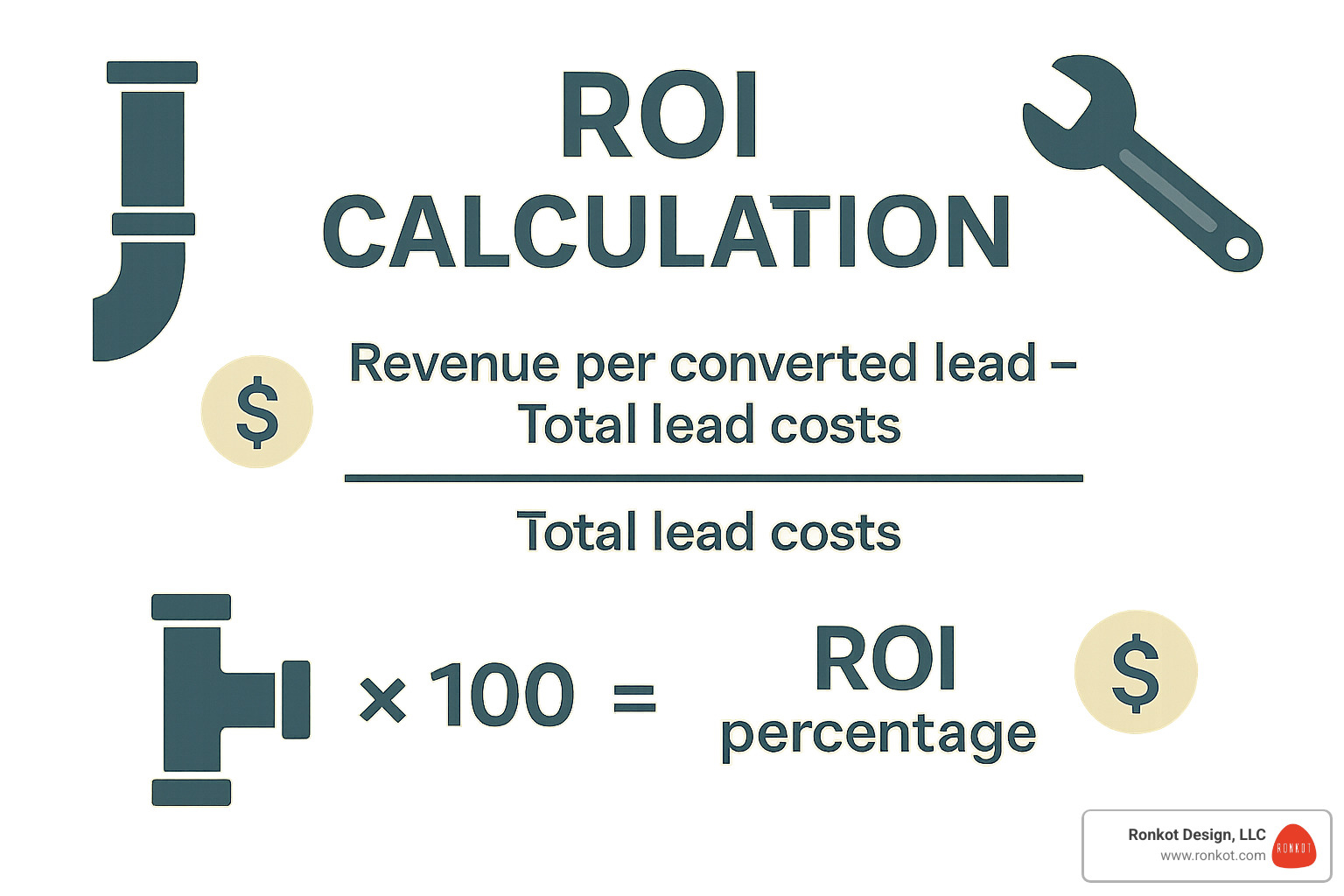
Quick-Start Onboarding Checklist
Your first month determines long-term success with any lead provider. Week one should focus on account setup—complete the application process, establish dedicated tracking phone numbers, and define your service area precisely. Set realistic budget and volume targets based on your current capacity.
Week two is all about integration. Connect leads to your existing CRM system if you have one, or set up a simple tracking spreadsheet. Train your team on lead handling procedures because even perfect leads get wasted with poor phone skills.
Create response scripts for different scenarios—emergency repairs need different language than routine maintenance calls. Practice these scripts until they sound natural, not robotic.
Week three starts the optimization process. Monitor which lead types convert best for your business. Maybe exclusive phone leads work better than shared web forms, or perhaps emergency calls generate higher profit margins. Use this data to adjust your targeting and budget allocation.
Conversion Best Practices
The best leads in the world won’t help if you can’t convert them into paying customers. Professional phone skills make the biggest difference in lead conversion rates.
Train whoever answers your phones to assess needs quickly, provide ballpark estimates, and schedule appointments confidently. Customers can tell when someone doesn’t know what they’re talking about, and they’ll hang up fast.
CRM automation turns good contractors into great businesses. Track which lead sources produce the highest-value customers, not just the most leads. A provider sending cheap leads that never convert wastes more money than expensive leads that turn into $2,000 jobs.
Set up follow-up sequences for prospects who don’t book immediately. Maybe they’re getting quotes from multiple plumbers, or the repair isn’t urgent yet. Email nurture campaigns can generate additional revenue weeks or months later when they’re ready to move forward.
Consider building your own lead generation through Local SEO for Plumbers alongside purchased leads. This reduces long-term dependency on third-party providers and improves profit margins over time.
Response time remains the ultimate conversion factor. Answer every lead within 60 seconds if possible. Use call forwarding, multiple phone lines, or answering services to ensure you never miss opportunities. The plumber who answers first usually gets the job.
Frequently Asked Questions about Plumbing Lead Companies
When you’re considering plumbing lead companies for the first time, it’s natural to have questions about costs, timing, and what happens when things don’t go as planned. Let me address the most common concerns I hear from contractors who are exploring lead generation services.
How much should I pay per plumbing lead?
The honest answer is that lead costs depend on several factors, but you can expect to pay anywhere from $30 to $150 per lead depending on what you’re buying. Shared leads typically run $30-$80, while exclusive leads command $60-$150 or more.
Here’s the thing about pricing—emergency leads cost significantly more than routine maintenance calls. When someone’s basement is flooding at 2 AM, they’re willing to pay premium rates, and lead companies know this. These urgent situations often cost 50-100% more than regular service requests.
The real question isn’t what leads cost, but what you can afford based on your profit margins. Take your average job value and multiply by your profit percentage—that’s your maximum lead budget. For example, if you typically earn $300 per job with a 40% profit margin, you’re looking at $120 in profit. Spending $50-$75 per lead keeps you profitable while leaving room for leads that don’t convert.
Plumbing lead companies aren’t charity organizations. Quality leads that convert well cost more because they’re worth more to your business.
How fast will I get my first lead?
Most plumbing lead companies get you up and running within 7-14 days of completing your application. The exact timing depends on how quickly you provide required documentation and complete their onboarding process.
Your lead volume will start small and grow as the system learns your preferences. Budget $500-$1,000 monthly and expect 5-20 leads to start. Larger investments of $2,000 or more typically generate 20-100+ leads monthly, depending on your market size and competition.
Don’t expect instant results on day one. These companies need time to optimize your account settings, verify your service area, and integrate you into their delivery system. The wait is usually worth it when quality leads start flowing consistently.
What if a lead is uncontactable?
This is where plumbing lead companies separate themselves from fly-by-night operations. Reputable providers offer credits or refunds for leads that don’t meet basic quality standards.
Most companies define billable leads as prospects where you successfully made contact and provided service information—whether that’s scheduling an appointment, giving an estimate, or even having them decline your services after a conversation. If you can’t reach someone after multiple attempts, that’s typically refundable.
The key is understanding each company’s specific refund policy before you sign up. Some offer monetary credits that reduce your next bill, while others provide “store credits” that only work within their system. Always read the fine print on what qualifies for refunds and how quickly they process credit requests.
Good lead companies want you to succeed because happy customers buy more leads. If you’re getting consistently poor quality prospects that waste your time, speak up—most providers will work with you to improve the situation.
Conclusion
Choosing the right plumbing lead companies can transform your business from feast-or-famine cycles to steady, predictable growth. The contractors who thrive are those who approach lead generation strategically rather than jumping at the first low-cost option they find.
Your success depends more on lead quality and conversion rates than rock-bottom pricing. A $100 exclusive lead that converts 70% of the time delivers far better ROI than a $20 shared lead with a 15% conversion rate. The math is simple—focus on prospects who actually turn into paying customers.
Smart contractors diversify their lead sources instead of putting all their eggs in one basket. Mix exclusive phone leads for high-value emergency work with shared digital leads for routine maintenance. Balance immediate pay-per-call results with long-term SEO investments that reduce your cost per lead over time.
Start small and test thoroughly before scaling up. A $500 monthly budget across two providers gives you real conversion data without major financial risk. Once you identify which lead types work best for your business model, you can confidently increase your investment.
The plumbing industry isn’t slowing down—homeowners will always need emergency repairs, installations, and maintenance. But competition is getting fiercer every year. Contractors who build systematic lead generation processes now will have sustainable advantages over those still relying on word-of-mouth and Yellow Pages.
Data-driven decision making separates successful plumbing businesses from struggling ones. Track your conversion rates, average job values, and cost per acquisition religiously. This information guides smart spending decisions and prevents costly mistakes.
At Ronkot Design, we’ve helped countless home service businesses optimize their lead generation beyond just purchasing prospects. Our integrated approach combines the immediate results of plumbing lead companies with long-term digital marketing strategies that build lasting competitive advantages.
The best part? You don’t have to choose between purchased leads and organic marketing. The most successful plumbing contractors use both approaches to create multiple revenue streams that work together.
Ready to build a comprehensive lead generation system that reduces your dependence on third-party providers while maximizing conversions? Explore our proven Plumbing Lead Generation Strategies to see how integrated digital marketing can transform your business growth.