


Ronak Kothari is the founder of RONKOT, a full-service digital marketing agency.
Modern Local SEO Pillars: Master 3 Keys!
Why Modern Local SEO Still Wins Customers in 2025
Modern local SEO pillars are the foundation that determines whether your business appears when nearby customers search for what you offer. Success in local SEO depends on mastering three interconnected pillars:
- Relevance – How well your business matches the searcher’s query.
- Prominence – How trusted and authoritative your business appears online.
- Proximity – How close your business is to the searcher’s location.
Local search has evolved far beyond the Yellow Pages. Today, 76% of people who search for something nearby on their smartphone visit a related business within 24 hours, and nearly 30% of those searches result in a purchase. With over 60% of local searches happening on mobile, Google’s mobile-first indexing has fundamentally changed how businesses must approach their online presence.
The stakes are high. Google’s AI Overviews and Search Generative Experience (SGE) are reshaping search results, but the fundamentals remain: businesses that excel in relevance, prominence, and proximity win the local search game. Whether someone searches “best bakery near me” or “emergency plumber in Dallas,” Google evaluates these three pillars to decide which businesses deserve the top spots.

The goal of mastering these pillars isn’t just about rankings—it’s about connecting with your community when they need you most. When your business consistently appears for relevant local searches, you build relationships with customers who are ready to buy.
I’m Ronak Kothari, CEO of Ronkot Design. For over a decade, I’ve helped North Texas businesses master these pillars to dominate their local markets. This guide provides actionable strategies to boost your local visibility and drive more customers through your door.
The 3 Modern Local SEO Pillars Explained
To master local search, you need a strategic approach built on three modern local SEO pillars: Relevance, Prominence, and Proximity. These are the core factors in Google’s local ranking algorithm, and optimizing for each is crucial for any business, from a Colleyville storefront to a service-area business covering Dallas.
Pillar 1: Relevance – Matching Searcher Intent
Relevance is how well your business content matches a user’s search query. It’s about showing Google that you are the best fit for a local search. This includes your on-page SEO, content freshness, and—most importantly—a thoroughly optimized Google Business Profile (GBP).
If someone in Dallas searches for “landscaping services near me,” Google looks for the most relevant local businesses. To prove relevance, you must optimize your business categories, detail your services and products, use engaging Google Posts, and actively use the Q&A feature on your GBP. Your website’s health also signals relevance; being mobile-friendly with fast page speed (Core Web Vitals) is critical. Google’s Helpful Content Update guidelines also stress creating content that real people find useful.
Pillar 2: Prominence – Building Your Local Authority
Prominence measures how well-known and trusted your business is online. It’s about building trust signals that tell Google you’re a legitimate and popular local business. A key component is online reviews, as 87% of consumers read them for local businesses in 2024, trusting them as much as personal recommendations. Careful reputation management, including responding to all reviews, shows you’re engaged.
Beyond reviews, local citations (consistent Name, Address, Phone number, or NAP, across online directories) and backlinks from other reputable local websites are vital. Citations confirm your business’s location, while backlinks act as votes of confidence, boosting your authority. Even social media signals contribute by confirming your business’s community involvement.
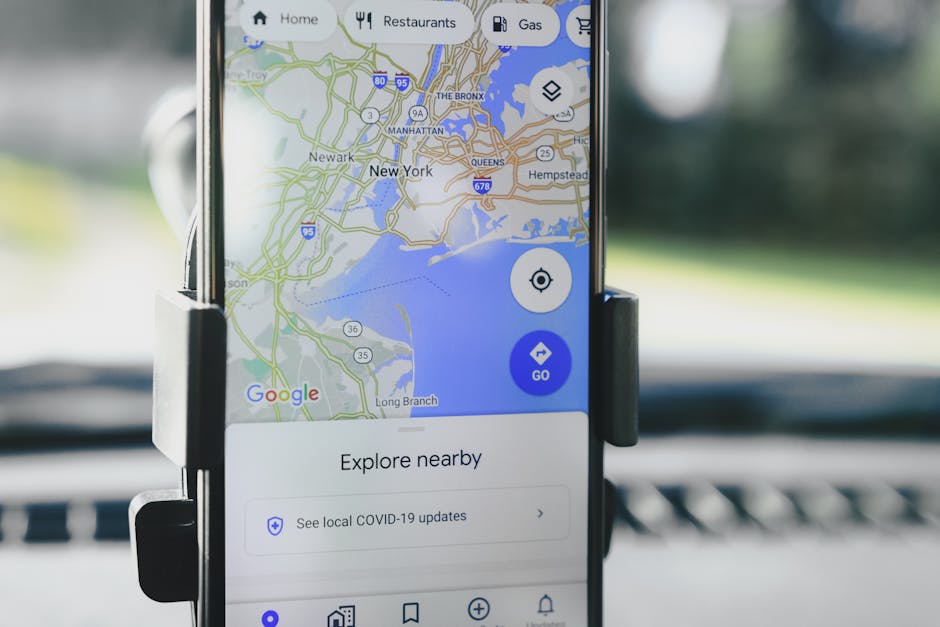
Pillar 3: Proximity – Winning the “Near Me” Battle
Proximity is how close your business is to the searcher’s physical location. With over 70% of local searches coming from mobile devices—often with immediate intent like “coffee now!”—the user’s location is a powerful ranking factor.
For service-area businesses (SABs) in the Dallas-Fort Worth area, optimizing for proximity requires a specific strategy. We focus on creating hyper-local landing pages and location-specific content that clearly defines your service areas. Using geo-modified keywords (like “plumber in Colleyville”) and mentioning local landmarks reinforces your connection to the community and helps you win those crucial “near me” searches.
Pillar 1 In-Depth: Optimizing for Relevance
Relevance is the first pillar, ensuring Google sees your business as the perfect match for a local search. This involves a comprehensive approach, from your Google Business Profile to your website’s content and technical performance.
Mastering Your Google Business Profile (GBP)
Your Google Business Profile (GBP) is your new local homepage, and a complete, accurate profile is non-negotiable. Ensure your Name, Address, and Phone number (NAP) are precise, your business categories are correct, and your hours are always up-to-date.
Add high-quality photos and videos; businesses with 100+ photos get 520% more calls. Publish Google Posts weekly to signal activity and keep your profile fresh. Use attributes to highlight features like “wheelchair accessible” and actively answer questions in the Q&A section. Engaging with your GBP is vital for showcasing relevance, but always adhere to Google’s official business guidelines to remain compliant.
On-Page SEO and Content Strategy for Local Businesses
Your website is also a key relevance signal. Start with local keyword research to find terms customers in Dallas and Colleyville are using, such as “emergency HVAC repair Dallas.”
Use these geo-modified keywords in your on-page elements:
- Title Tags and Meta Descriptions: Craft compelling titles and descriptions with local keywords to encourage clicks.
- Header Tags (H1, H2, etc.): Structure content logically with headers that incorporate local keywords.
- Location-Specific Service Pages: Create dedicated pages for each service and location (e.g., “Plumbing Services in Colleyville”) with unique local content.
- Local Blogging and FAQs: Create content that addresses local needs, events, or questions. This signals relevance and can capture voice search queries. Mark up FAQ pages with schema for rich snippets.
Content quality is paramount. Google’s helpful content update guidelines emphasize creating content for people first, demonstrating expertise, authoritativeness, and trustworthiness (E-E-A-T).
The Role of Structured Data (Schema Markup)
Schema markup is code that translates your business information for search engines. While not a direct ranking boost, it helps your business display with rich snippets that grab attention.
Key schema types for local businesses include:
- LocalBusiness Schema: Tells Google your NAP, website, hours, and geo-coordinates.
- Review Schema: Displays your aggregate star rating in search results.
- FAQPage Schema: Helps your FAQ content appear as expandable rich snippets.
By implementing schema, we provide Google with clear data, increasing your chances of appearing prominently in local search results.
Pillar 2 In-Depth: Building Prominence and Trust
Prominence proves your business is trustworthy to both Google and customers. It’s about demonstrating that you’re a respected, active member of your local community.

The Power of Reviews and Reputation Management
A staggering 98% of consumers read online reviews for local businesses. Reviews directly influence your local search rankings and act as digital word-of-mouth. A business with 50+ reviews is 270% more likely to be chosen than one with fewer than 10.
Encouraging reviews should be a regular practice. We help clients create simple systems to request reviews from satisfied customers, such as a follow-up email with a review link or a QR code at checkout. The goal is a consistent flow of feedback, aiming for at least 10 new positive reviews annually.
Responding to all reviews is a critical, often missed, opportunity. Responding to positive reviews reinforces loyalty. Responding professionally to negative reviews demonstrates excellent customer service and can turn a bad experience around, building trust with future customers who read the exchange.
Review velocity also matters. A steady stream of recent reviews signals that your business is active and serving customers well, which is why sustainable review-generation systems are so important.
Building Local Citations and Backlinks
Citations and backlinks build trust with search engines, signaling that your business is legitimate and established.
NAP consistency is the foundation. Ensure your Name, Address, and Phone number are identical everywhere online—from your Google Business Profile to other major online directories and industry-specific sites. We conduct citation audits to find and fix inconsistencies that can confuse search engines.
Citations can be structured (directory listings) or unstructured (mentions in blogs or news articles). Both validate your business’s local presence.
Backlinks from local sources carry immense weight. A link from the Dallas Regional Chamber of Commerce or a local news story is far more valuable than hundreds of random links. Our approach focuses on genuine community engagement. Sponsoring local events or partnering with complementary local businesses can earn valuable backlinks. Chamber of Commerce memberships provide high-authority directory links that Google trusts.
Here’s how citations and backlinks differ:
| Feature | Local Citations | Backlinks |
|---|---|---|
| Definition | Mentions of your business NAP (Name, Address, Phone) on other websites/directories | A hyperlink from one website to another |
| Purpose | Verifies business information, improves local pack rankings, builds trust | Passes “link equity” (authority) from the linking site, improves organic rankings, drives referral traffic |
| Format | Text-based listings (often without a direct link) | Clickable link |
| Impact | Primarily local search visibility and NAP consistency | Broad SEO impact (authority, relevance, traffic) and local SEO impact (especially from local sources) |
| Key Difference | Citations mention your business information; backlinks link to your business. |
While not a direct ranking factor, an active social media presence supports prominence by confirming your business’s legitimacy and community engagement. Building prominence takes time, but it’s what separates businesses that occasionally appear in local search from those that dominate their market.
Pillar 3 In-Depth: Winning the “Near Me” Battle
Proximity is a straightforward but powerful pillar in the modern local SEO pillars framework. When a customer searches for “coffee near me,” Google prioritizes the closest businesses. The user’s physical location is a critical ranking factor, especially since over 70% of local searches happen on mobile devices with immediate purchase intent.
For businesses with a physical storefront, proximity is a natural advantage. But for Service Area Businesses (SABs)—like plumbers, electricians, and landscapers across North Texas—the approach requires more strategy. You must clearly communicate your service areas to Google through every available channel.
Hyper-Local Landing Pages and Location-Specific Content
To dominate local search across multiple Texas communities, create hyper-local landing pages for each city or neighborhood you serve. These act as dedicated digital storefronts. Instead of a generic “Services” page, you might have “HVAC Repair in Colleyville, TX” and “HVAC Repair in Dallas, TX.”
These pages require unique, useful content that speaks to each community. To accomplish this, we:
- Weave in geo-modified keywords like “commercial landscaping Dallas” naturally throughout the content, titles, and headers.
- Mention local landmarks that residents recognize—like Colleyville Nature Center or Dallas’s Klyde Warren Park—to show a genuine connection to the area.
- Feature local testimonials from customers in that specific service area to build trust with their neighbors.
- Embed a Google Map on each page to visually reinforce your service coverage.
This granular approach provides genuinely helpful, location-specific information that matches what local searchers need. It’s how you win the “near me” battle: by being present, relevant, and genuinely connected to each community you serve.
Putting the Modern Local SEO Pillars into Practice
Let’s put the three modern local SEO pillars into practice through auditing and measurement. Success comes from regularly identifying opportunities and tracking the right metrics to measure progress.
How to Conduct a Local SEO Audit
A local SEO audit is a health check for your online presence. It’s a systematic review to find and fix issues that could be hurting your visibility. A comprehensive audit should include:
- GBP Audit: Check for NAP accuracy, correct business categories, profile completeness, photo quality, and regular posting.
- On-Page Analysis: Review your website for local keyword integration, mobile-friendliness, page speed (Core Web Vitals), and proper schema implementation.
- Citation Consistency Check: Audit your NAP consistency across major online directories and industry-specific sites to eliminate confusing variations.
- Backlink Profile Review: Analyze the quantity and quality of your backlinks, with a focus on links from respected local sources.
- Competitor Analysis: Identify what top-ranking competitors in your area are doing right with their GBP, content, and reviews to find gaps in your own strategy.
Measuring Your Local SEO Success
If you don’t measure your SEO efforts, you can’t manage them. Focus on key performance indicators (KPIs) that connect directly to business growth.
- Google Business Profile Insights: This free tool shows how customers find your listing (direct vs. findy searches) and what actions they take: calls, website clicks, or direction requests.
- Website Traffic: Use Google Analytics 4 (GA4) to monitor organic search traffic, paying close attention to your location-specific landing pages.
- Local Pack Rankings: Track your position in the map pack for target keywords (e.g., “plumber in Colleyville”) across your service areas.
- Conversions: These are the most important metrics. Track phone calls, form submissions, and driving direction requests to measure real leads.
- Review Growth: Monitor the number, velocity, and average rating of your online reviews.
Using Google Analytics 4 and Google Search Console together provides a complete picture of your performance, allowing for continuous, data-driven optimization.
Frequently Asked Questions about Local SEO
Here are answers to three common questions about local SEO.
What’s the difference between local SEO and traditional SEO?
The key difference is geography. Traditional SEO targets broad keywords to gain national or global visibility. Local SEO has a distinct geographical focus, connecting you with customers in your immediate area.
Local SEO optimizes for the Local Pack (the map with three business listings) and captures “near me” searches that drive foot traffic and local leads. It’s the difference between ranking for “plumber” (traditional) and “emergency plumber in Colleyville” (local). The modern local SEO pillars of Relevance, Prominence, and Proximity are unique to this discipline.
How long does it take to see results from local SEO?
Local SEO is a long-term strategy. While foundational changes (like optimizing your Google Business Profile and fixing citations) can show positive movement in 1 to 3 months, sustained top rankings can take longer.
The timeline depends on factors like your industry’s competitiveness in Dallas or Colleyville, your current online presence, and your consistency. For competitive markets, it may take 6 to 12 months to see significant traffic increases. The key is consistent effort: regular posts, fresh content, and ongoing review management.
Do I still need a website if I have a Google Business Profile?
Yes, a website is essential. Your Google Business Profile (GBP) is powerful, but it works with your website, not in place of it.
Your website is a primary ranking factor that Google uses to verify the information in your GBP. It also gives you complete control over the customer journey, allowing you to build detailed service pages, publish expert blog content, and showcase testimonials. You can create dedicated landing pages for each service area, like Dallas and Colleyville, to target local search queries directly. Your website is where you convert searchers into customers by providing in-depth information and easy ways to book an appointment or request a quote.
Conclusion: Unify the Pillars for Local Dominance
Local search dominance comes from a cohesive strategy that unifies all three modern local SEO pillars. When you consistently optimize for Relevance, Prominence, and Proximity, you build a foundation that withstands changes in search technology.
Relevance ensures customers find you. Prominence builds the trust that makes them choose you. Proximity puts you right where they need you, when they need you. Together, these pillars create an unbeatable local presence that connects you with customers ready to buy.
For businesses across Dallas, Colleyville, and the greater Texas area, this unified approach is the difference between thriving and surviving. As Google evolves with AI and mobile-first indexing, businesses that perform strongly across all three pillars will be the ones customers find first.
Local SEO is an ongoing process, not a one-time project. It requires consistent effort and a genuine commitment to serving your local community. The rewards for getting it right are substantial, making you the undeniable go-to choice in your area.
At Ronkot Design, we’ve spent over a decade helping businesses master these modern local SEO pillars with our data-driven, customer-centric approach. We tailor our strategies to your specific needs, ensuring your online presence resonates with your local audience.
The path to local dominance starts with a commitment to excellence across all three pillars. Consistency and quality always win in the long run.
Ready to transform your local online presence and connect with more customers in your community? Learn more about our local SEO services for small businesses and let’s build your path to local dominance together.
Ronak Kothari is the founder of RONKOT, a full-service digital marketing agency.